Sleep cocooning is the practice of creating a soft, enclosed, and sensory-controlled sleep environment that signals safety to your nervous system and supports deeper, more restorative rest. The term is informal but the science behind it is real. Researchers and sleep designers now recognize that the body responds to physical enclosure, gentle pressure, and reduced sensory input by shifting from a stressed, alert state into the calm required for genuine recovery. This guide explains what sleep cocooning is, how it works biologically, and how you can build your own cocoon environment using both design principles and practical techniques.
How does sleep cocooning work biologically?
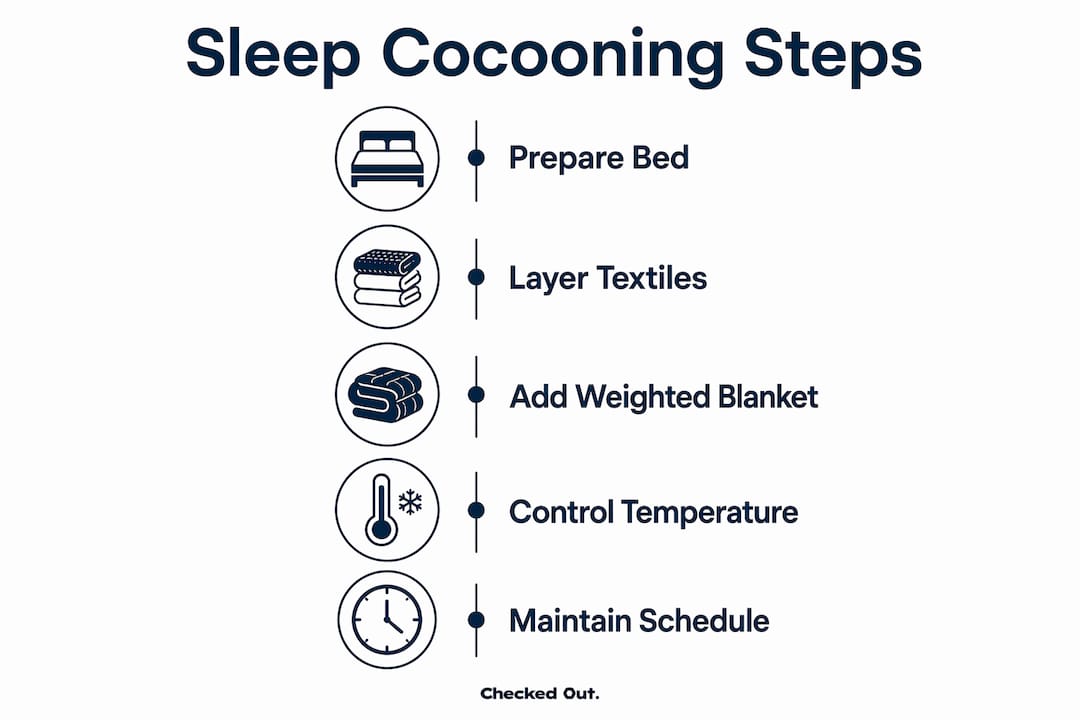
Sleep cocooning activates the parasympathetic nervous system by combining deep pressure stimulation with a low-stimulus environment. When your body receives consistent, gentle pressure from layered bedding or a weighted blanket, it interprets that input as a safety signal. The hypothalamus responds by shifting from sympathetic to parasympathetic activation, reducing cortisol and triggering the release of oxytocin and serotonin.
“Proprioceptive feedback from cocooning signals the hypothalamus that the individual is safe, facilitating the transition from sympathetic to parasympathetic states essential for restorative sleep.”
That shift matters more than most people realize. Relaxation and restorative sleep are not the same thing. You can feel calm and still cycle through shallow sleep stages all night. Restorative sleep requires sustained parasympathetic dominance, which cocooning supports by maintaining a consistent sensory environment throughout the night.
Weighted blankets are one of the most studied cocooning tools. Research shows that weighted blankets increase melatonin concentrations by up to 32%, directly improving insomnia severity scores. That is not a placebo effect. The pressure stimulates the same neural pathways that respond to a firm hug, releasing serotonin that the body then converts into melatonin through the tryptophan-to-serotonin-to-melatonin pathway.
Pro Tip: Pair your cocooning setup with consistent sleep and wake times. The nervous system responds faster to environmental cues when your circadian rhythm is already anchored. Combine cocooning with the science-backed sleep steps that reinforce your body’s natural sleep drive.
What design principles create an effective sleep cocoon?
Interior designers are moving bedrooms away from minimalist, open-plan aesthetics toward layered textile environments that absorb sound and soften visual stimuli. This shift is not purely aesthetic. Textile-heavy bedroom design using padded walls, canopy beds, and layered drapery reduces ambient noise by 5–15 dB, which meaningfully lowers the number of micro-arousals during sleep.
The core design elements of a sleep cocoon include:
-
Canopy beds or bed curtains: Create physical enclosure and reduce light intrusion from the sides
-
Upholstered headboards and padded wall panels: Absorb sound and add tactile softness to the sleep space
-
Layered drapery: Heavy blackout curtains block external light and dampen street noise
-
Warm, muted color palettes: Deep greens, warm taupes, and soft charcoals lower visual stimulation before sleep
-
Dim, warm-toned lighting: Amber or candlelight-range bulbs (below 2,700K) avoid suppressing melatonin production
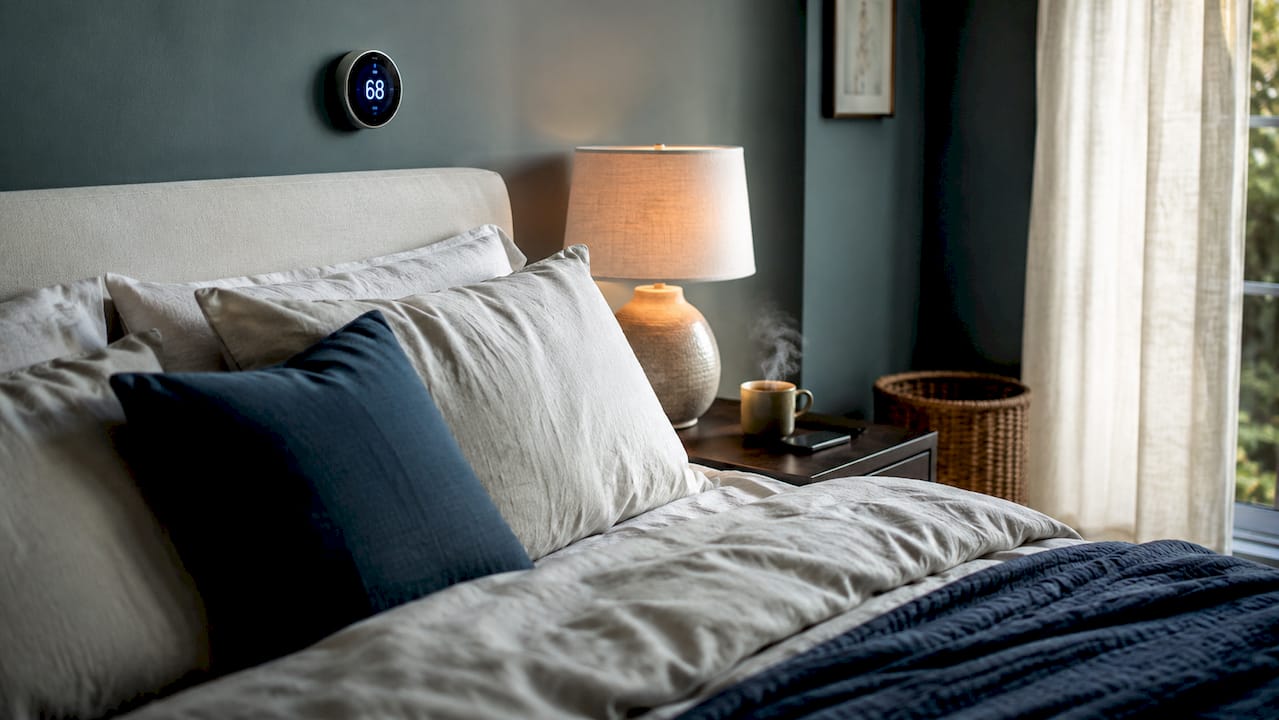
Thermal regulation is the element most people overlook. Experts recommend keeping room temperature between 18–22°C while using heavy, breathable bedding layers to trap warmth around the body. The contrast between a cool room and a warm bed accelerates sleep onset by supporting the body’s natural core temperature drop.
| Cocoon element |
Primary benefit |
Potential drawback |
| Canopy bed with curtains |
Reduces light and creates enclosure |
Can feel claustrophobic for some sleepers |
| Weighted blanket |
Increases melatonin, reduces anxiety |
Risk of overheating if not breathable |
| Padded wall panels |
Absorbs ambient sound |
Higher cost and installation effort |
| Layered heavy drapery |
Blocks light and noise |
Requires regular cleaning to avoid allergens |
| Warm-toned dim lighting |
Supports melatonin production |
Needs separate switch from overhead lighting |
A contoured blackout sleep mask achieves a similar light-blocking effect for travelers or anyone who cannot control their room environment. It is one of the simplest ways to add a cocooning layer without redesigning a bedroom.
What are the most effective sleep cocooning techniques?
The most widely discussed DIY cocooning setup is the “potato bed,” a viral technique that involves flipping a fitted sheet over the top of the mattress and arranging 4–6 pillows around the body’s perimeter. A typical setup uses 5 pillows total: 2 under the head, 2 for arm support, and 1 under the knees to maintain spinal neutrality. The enclosed feeling it creates is real, and many people report falling asleep faster using it.
The catch is that the potato bed is not designed for a full night of sleep. Experts warn that too many pillows or unstable setups can disrupt spinal alignment and restrict airflow, negating the sleep quality benefits despite the initial relaxation. Use it for short naps or wind-down rest periods, not as a replacement for a supportive mattress and proper bedding.
For all-night cocooning, weighted blankets and structured pillow arrangements work better. The key is fabric choice and pillow stability to avoid musculoskeletal strain. A weighted blanket should cover the torso and legs without restricting shoulder movement. Breathable materials like cotton or bamboo prevent the overheating that fragments sleep cycles.
| Technique |
Best for |
Main risk |
Recommended use |
| Potato bed pillow nesting |
Short naps, relaxation |
Spinal misalignment |
20–40 minute rest periods |
| Weighted blanket |
Full night sleep |
Overheating if non-breathable |
Nightly use with breathable fabric |
| Canopy bed with curtains |
Ongoing environment control |
Claustrophobia, cost |
Permanent bedroom setup |
| Enclosed sleep pod |
Sensory overload, neurodivergent sleepers |
Airflow restriction |
Nightly use with ventilation |
Pro Tip: Enclosed sleep environments can amplify internal body sounds, which some people find distracting. A white noise device placed inside or near your cocoon setup provides a predictable acoustic environment that masks unpredictable household noises and keeps you in deeper sleep stages longer.
Enclosed sleep pods are worth mentioning separately. Research shows they reduce sensory overload for neurodivergent individuals by blocking light and sound while providing proprioceptive feedback that signals safety to the nervous system. For anyone with heightened sensory sensitivity, a pod or canopy setup can be genuinely life-changing rather than just a comfort upgrade.
How does sleep cocooning compare to swaddling and weighted blankets?
Sleep cocooning, swaddling, and weighted blankets all use pressure and enclosure to calm the nervous system. The mechanisms overlap, but the applications are distinct. Swaddling confines an infant’s limbs tightly to prevent the startle reflex and replicate womb conditions. It is a specific technique for newborns and is not appropriate for adults.
Cocooning, by contrast, defines physical space through bedding and textiles without restricting limb movement. It allows safe repositioning throughout the night, which is critical for adults who shift sleeping positions. The goal is a secure boundary at the head and feet, not full-body immobilization.
| Method |
Primary user |
Mechanism |
Movement allowed |
| Swaddling |
Infants |
Limb confinement, startle reflex prevention |
Minimal |
| Sleep cocooning |
Adults |
Environmental enclosure, pressure, sensory reduction |
Full |
| Weighted blanket |
Adults and older children |
Deep pressure stimulation across the torso |
Full |
Weighted blankets are the most accessible cocooning tool for adults. They deliver deep pressure stimulation without requiring any bedroom redesign. Cocooning as a full practice goes further by adding environmental controls like light, sound, and temperature to create a complete sensory environment. Think of a weighted blanket as one layer of cocooning, not the whole picture.
Key Takeaways
Sleep cocooning works because it combines deep pressure stimulation, sensory reduction, and thermal regulation to shift the nervous system into the parasympathetic state required for restorative sleep.
| Point |
Details |
| Core mechanism |
Deep pressure and enclosure activate the parasympathetic nervous system and raise melatonin levels. |
| Design matters |
Textile-heavy rooms with canopy beds and padded walls reduce noise by 5–15 dB and lower visual stimulation. |
| Technique choice |
Weighted blankets suit full-night sleep; pillow nesting setups like the potato bed work best for short naps only. |
| Thermal balance |
Keep room temperature at 18–22°C and use breathable heavy bedding to prevent overheating and sleep fragmentation. |
| Cocooning vs. swaddling |
Swaddling restricts infant limbs; cocooning defines adult sleep space without limiting movement. |
What I’ve learned from watching people sleep better with cocooning
I have seen cocooning work most powerfully for people who are chronically overstimulated. High performers, frequent travelers, and anyone running on cortisol all day tend to carry that activation into bed with them. The body keeps score quietly, and a bare, open bedroom does nothing to interrupt that pattern. A cocoon environment gives the nervous system a physical cue that the threat is over.
That said, I want to be honest about the limits. Cocooning is not a cure for disordered sleep. If your cortisol dysregulation runs deep, no amount of canopy curtains will fix it alone. The technique works best as part of a broader sleep wellness approach that includes consistent sleep timing, reduced evening light exposure, and nutritional support for your melatonin pathway.
The aesthetic dimension also matters more than people expect. A bedroom that feels beautiful and intentional sends a signal before you even lie down. Sensory design is not indulgence. It is information your brain uses to decide whether it is safe to let go. Get the environment right, and the rest follows more naturally than you would think.
— Geeta
Natural sleep aids that work alongside your cocoon setup
A well-designed sleep environment gets you most of the way there. The final layer is supporting your body’s own chemistry so it can do the rest.

Checkedoutwellness makes drug-free, transdermal sleep patches and mouth tape that complement cocooning without adding complexity to your routine. The sleep patches deliver magnesium, B6, B12, and GABA through the skin overnight, supporting your body’s natural tryptophan-to-serotonin-to-melatonin conversion. No synthetic melatonin. No dependency. Just the cofactors your body already needs to produce its own. Pair them with your cocoon setup and you are addressing both the environmental and biochemical sides of sleep quality at the same time. Explore the full range at Checkedoutwellness.
FAQ
What is sleep cocooning in simple terms?
Sleep cocooning is the practice of creating a soft, enclosed sleep environment using layered bedding, canopy structures, and sensory controls like light and sound reduction. The goal is to signal safety to the nervous system and support deeper, more restorative sleep.
Does sleep cocooning actually improve sleep quality?
Research shows that the deep pressure stimulation central to cocooning can increase melatonin concentrations by up to 32% and reduce insomnia severity. The effect is strongest when combined with consistent sleep timing and a thermally regulated room.
Is the potato bed safe for sleeping all night?
Experts recommend using the potato bed pillow nesting technique only for short naps or rest periods. Using too many pillows for a full night of sleep can disrupt spinal alignment and restrict airflow, which reduces rather than improves sleep quality.
How is sleep cocooning different from using a weighted blanket?
A weighted blanket delivers deep pressure stimulation and is one component of sleep cocooning. Full cocooning adds environmental controls including light blocking, sound dampening, and thermal regulation to create a complete sensory environment around the sleeper.
Who benefits most from sleep cocooning techniques?
People with high daily stress loads, sensory sensitivity, or neurodivergent profiles tend to benefit most. Enclosed environments reduce sensory overload and provide proprioceptive feedback that helps the nervous system transition out of a heightened alert state before and during sleep.
Recommended

Sleep Cocooning Explained: Your Guide to Deeper Rest
Sleep cocooning is the practice of creating a soft, enclosed, and sensory-controlled sleep environment that signals safety to your nervous system and supports deeper, more restorative rest. The term is informal but the science behind it is real. Researchers and sleep designers now recognize that the body responds to physical enclosure, gentle pressure, and reduced sensory input by shifting from a stressed, alert state into the calm required for genuine recovery. This guide explains what sleep cocooning is, how it works biologically, and how you can build your own cocoon environment using both design principles and practical techniques.
How does sleep cocooning work biologically?
Sleep cocooning activates the parasympathetic nervous system by combining deep pressure stimulation with a low-stimulus environment. When your body receives consistent, gentle pressure from layered bedding or a weighted blanket, it interprets that input as a safety signal. The hypothalamus responds by shifting from sympathetic to parasympathetic activation, reducing cortisol and triggering the release of oxytocin and serotonin.
That shift matters more than most people realize. Relaxation and restorative sleep are not the same thing. You can feel calm and still cycle through shallow sleep stages all night. Restorative sleep requires sustained parasympathetic dominance, which cocooning supports by maintaining a consistent sensory environment throughout the night.
Weighted blankets are one of the most studied cocooning tools. Research shows that weighted blankets increase melatonin concentrations by up to 32%, directly improving insomnia severity scores. That is not a placebo effect. The pressure stimulates the same neural pathways that respond to a firm hug, releasing serotonin that the body then converts into melatonin through the tryptophan-to-serotonin-to-melatonin pathway.
Pro Tip: Pair your cocooning setup with consistent sleep and wake times. The nervous system responds faster to environmental cues when your circadian rhythm is already anchored. Combine cocooning with the science-backed sleep steps that reinforce your body’s natural sleep drive.
What design principles create an effective sleep cocoon?
Interior designers are moving bedrooms away from minimalist, open-plan aesthetics toward layered textile environments that absorb sound and soften visual stimuli. This shift is not purely aesthetic. Textile-heavy bedroom design using padded walls, canopy beds, and layered drapery reduces ambient noise by 5–15 dB, which meaningfully lowers the number of micro-arousals during sleep.
The core design elements of a sleep cocoon include:
Thermal regulation is the element most people overlook. Experts recommend keeping room temperature between 18–22°C while using heavy, breathable bedding layers to trap warmth around the body. The contrast between a cool room and a warm bed accelerates sleep onset by supporting the body’s natural core temperature drop.
A contoured blackout sleep mask achieves a similar light-blocking effect for travelers or anyone who cannot control their room environment. It is one of the simplest ways to add a cocooning layer without redesigning a bedroom.
What are the most effective sleep cocooning techniques?
The most widely discussed DIY cocooning setup is the “potato bed,” a viral technique that involves flipping a fitted sheet over the top of the mattress and arranging 4–6 pillows around the body’s perimeter. A typical setup uses 5 pillows total: 2 under the head, 2 for arm support, and 1 under the knees to maintain spinal neutrality. The enclosed feeling it creates is real, and many people report falling asleep faster using it.
The catch is that the potato bed is not designed for a full night of sleep. Experts warn that too many pillows or unstable setups can disrupt spinal alignment and restrict airflow, negating the sleep quality benefits despite the initial relaxation. Use it for short naps or wind-down rest periods, not as a replacement for a supportive mattress and proper bedding.
For all-night cocooning, weighted blankets and structured pillow arrangements work better. The key is fabric choice and pillow stability to avoid musculoskeletal strain. A weighted blanket should cover the torso and legs without restricting shoulder movement. Breathable materials like cotton or bamboo prevent the overheating that fragments sleep cycles.
Pro Tip: Enclosed sleep environments can amplify internal body sounds, which some people find distracting. A white noise device placed inside or near your cocoon setup provides a predictable acoustic environment that masks unpredictable household noises and keeps you in deeper sleep stages longer.
Enclosed sleep pods are worth mentioning separately. Research shows they reduce sensory overload for neurodivergent individuals by blocking light and sound while providing proprioceptive feedback that signals safety to the nervous system. For anyone with heightened sensory sensitivity, a pod or canopy setup can be genuinely life-changing rather than just a comfort upgrade.
How does sleep cocooning compare to swaddling and weighted blankets?
Sleep cocooning, swaddling, and weighted blankets all use pressure and enclosure to calm the nervous system. The mechanisms overlap, but the applications are distinct. Swaddling confines an infant’s limbs tightly to prevent the startle reflex and replicate womb conditions. It is a specific technique for newborns and is not appropriate for adults.
Cocooning, by contrast, defines physical space through bedding and textiles without restricting limb movement. It allows safe repositioning throughout the night, which is critical for adults who shift sleeping positions. The goal is a secure boundary at the head and feet, not full-body immobilization.
Weighted blankets are the most accessible cocooning tool for adults. They deliver deep pressure stimulation without requiring any bedroom redesign. Cocooning as a full practice goes further by adding environmental controls like light, sound, and temperature to create a complete sensory environment. Think of a weighted blanket as one layer of cocooning, not the whole picture.
Key Takeaways
Sleep cocooning works because it combines deep pressure stimulation, sensory reduction, and thermal regulation to shift the nervous system into the parasympathetic state required for restorative sleep.
What I’ve learned from watching people sleep better with cocooning
I have seen cocooning work most powerfully for people who are chronically overstimulated. High performers, frequent travelers, and anyone running on cortisol all day tend to carry that activation into bed with them. The body keeps score quietly, and a bare, open bedroom does nothing to interrupt that pattern. A cocoon environment gives the nervous system a physical cue that the threat is over.
That said, I want to be honest about the limits. Cocooning is not a cure for disordered sleep. If your cortisol dysregulation runs deep, no amount of canopy curtains will fix it alone. The technique works best as part of a broader sleep wellness approach that includes consistent sleep timing, reduced evening light exposure, and nutritional support for your melatonin pathway.
The aesthetic dimension also matters more than people expect. A bedroom that feels beautiful and intentional sends a signal before you even lie down. Sensory design is not indulgence. It is information your brain uses to decide whether it is safe to let go. Get the environment right, and the rest follows more naturally than you would think.
Natural sleep aids that work alongside your cocoon setup
A well-designed sleep environment gets you most of the way there. The final layer is supporting your body’s own chemistry so it can do the rest.
Checkedoutwellness makes drug-free, transdermal sleep patches and mouth tape that complement cocooning without adding complexity to your routine. The sleep patches deliver magnesium, B6, B12, and GABA through the skin overnight, supporting your body’s natural tryptophan-to-serotonin-to-melatonin conversion. No synthetic melatonin. No dependency. Just the cofactors your body already needs to produce its own. Pair them with your cocoon setup and you are addressing both the environmental and biochemical sides of sleep quality at the same time. Explore the full range at Checkedoutwellness.
FAQ
What is sleep cocooning in simple terms?
Sleep cocooning is the practice of creating a soft, enclosed sleep environment using layered bedding, canopy structures, and sensory controls like light and sound reduction. The goal is to signal safety to the nervous system and support deeper, more restorative sleep.
Does sleep cocooning actually improve sleep quality?
Research shows that the deep pressure stimulation central to cocooning can increase melatonin concentrations by up to 32% and reduce insomnia severity. The effect is strongest when combined with consistent sleep timing and a thermally regulated room.
Is the potato bed safe for sleeping all night?
Experts recommend using the potato bed pillow nesting technique only for short naps or rest periods. Using too many pillows for a full night of sleep can disrupt spinal alignment and restrict airflow, which reduces rather than improves sleep quality.
How is sleep cocooning different from using a weighted blanket?
A weighted blanket delivers deep pressure stimulation and is one component of sleep cocooning. Full cocooning adds environmental controls including light blocking, sound dampening, and thermal regulation to create a complete sensory environment around the sleeper.
Who benefits most from sleep cocooning techniques?
People with high daily stress loads, sensory sensitivity, or neurodivergent profiles tend to benefit most. Enclosed environments reduce sensory overload and provide proprioceptive feedback that helps the nervous system transition out of a heightened alert state before and during sleep.
Recommended