You stare at the ceiling at 2 a.m., mind running, body exhausted. Sound familiar? Millions of people struggle with falling asleep, staying asleep, or waking up feeling like they never slept at all. The good news: this is not a willpower problem. Research has mapped out clear, science-backed sleep improvement steps, formally anchored in what sleep clinicians call sleep hygiene and behavioral sleep medicine, that produce real, lasting results. This guide walks you through every layer of that research, from foundational environment changes to evidence-based cognitive strategies, so you can stop guessing and start sleeping.
Table of Contents
Key takeaways
| Point |
Details |
| Consistency is non-negotiable |
Keeping the same bed and wake times daily stabilizes your circadian rhythm faster than any supplement. |
| Environment shapes sleep architecture |
A cool, dark, quiet room is not a preference. It is a biological requirement for deep sleep onset. |
| CBT-I outperforms sleep aids |
7 to 8 out of 10 people with chronic insomnia improve significantly with CBT-I, often without medication. |
| Light timing is a lever |
Morning light exposure and evening light restriction directly control your melatonin release timing. |
| Persistent problems need clinical eyes |
If poor sleep lasts more than three weeks, self-help alone may not be enough. Seek professional evaluation. |
Science-backed sleep improvement steps: your foundation
Before you adjust a single habit, you need to understand what your body is actually trying to do at night. Sleep is not passive. It is an orchestrated biological process governed by two systems: your circadian rhythm, which runs on roughly a 24-hour internal clock, and sleep pressure, the chemical drive that builds the longer you stay awake. When these two forces align, sleep happens easily. When they fall out of sync, you feel the consequences.
Consistent bed and wake times are the single most powerful signal you can send to your circadian rhythm. Every morning you wake at the same time, you anchor that clock. Miss a weekend by two hours and you create what researchers call social jet lag. The effects are real, measurable, and cumulative.
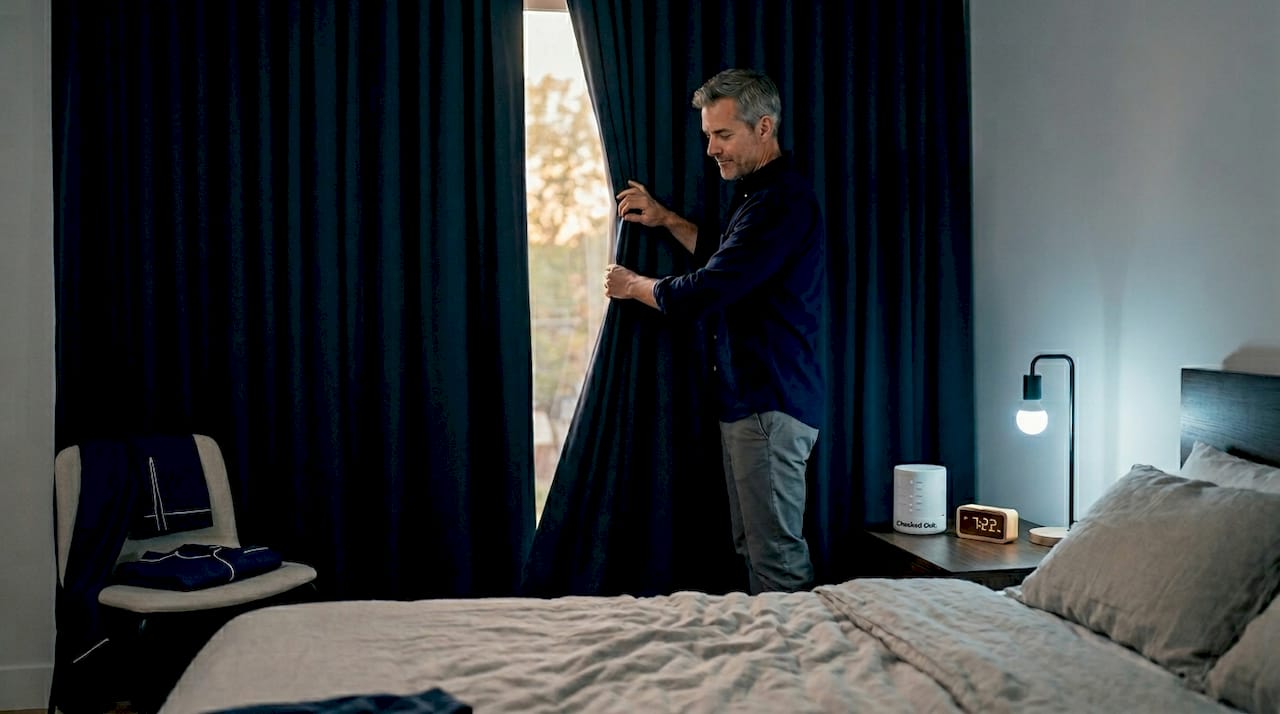
Your sleep environment is the second lever. Most people underestimate it. Research confirms that a dim, quiet, cool bedroom reduces the time it takes to fall asleep and increases time spent in slow-wave, restorative sleep. The ideal room temperature is somewhere between 65 and 68 degrees Fahrenheit for most adults.
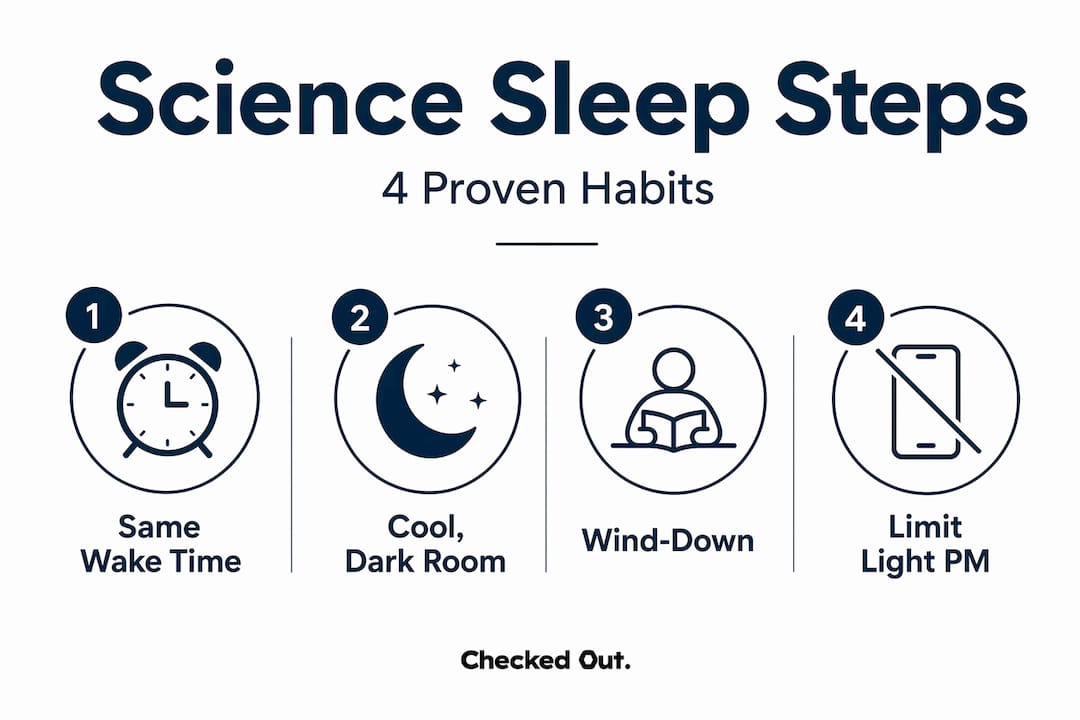
Wind-down routines work because your nervous system does not switch from high alert to sleep mode instantly. Think of it like cooling a car engine. You need a transition. Activities that lower heart rate and cortisol, like reading, gentle stretching, or breathing exercises, signal safety to your brain. That signal is the biological prerequisite for sleep onset.
A brief note on cognitive behavioral therapy for insomnia, or CBT-I: this is the gold-standard clinical treatment for chronic sleep problems, not a self-help buzzword. We will go deep on it in a later section, but understanding that it exists, and that it goes far beyond generic tips, is worth keeping in mind as you read through everything below.
Pro Tip: Set your alarm for the same time every day, including weekends, for two full weeks before making any other change. That single step recalibrates your biological clock faster than most people expect.
Sleep hygiene steps that research actually supports
Sleep hygiene is the recognized clinical term for the set of behaviors and environmental conditions that support quality sleep. Here are the evidence-supported steps, in the order that tends to matter most.
-
Set a fixed wake time and commit to it. This is your anchor. Everything else builds around it.
-
Create a cool, dark, quiet sleep environment. Use blackout curtains, earplugs, a white noise machine, or a quality sleep mask to block out sensory disruption.
-
Limit caffeine after noon. Caffeine has a half-life of about five to seven hours. That afternoon coffee is still circulating in your bloodstream at 10 p.m.
-
Avoid alcohol within three hours of bedtime. Alcohol feels sedating but fragments sleep architecture, suppresses REM sleep, and increases nighttime awakenings.
-
Stop eating large meals two to three hours before bed. Digestion raises core body temperature, which counteracts the natural temperature drop your body needs for sleep onset.
-
Cut off naps after 3 p.m. Napping depletes sleep pressure, the chemical urgency that pulls you into sleep at night. A 20-minute nap before 3 p.m. is fine. Later than that, and you are borrowing from tonight.
-
Dim screens and bright lights two hours before bed. Blue and green wavelengths suppress melatonin. More on this in the light section below.
-
Build a calming 30-minute wind-down. Reading fiction, a warm bath, or a body scan meditation all work. The mechanism is cortisol reduction, not relaxation as a vague concept.
-
If you cannot sleep after 20 minutes, get out of bed. Getting out of bed after roughly 20 minutes prevents your brain from linking wakefulness and anxiety with the bedroom itself.
Pro Tip: A warm bath 60 to 90 minutes before bed triggers a rapid drop in core body temperature afterward, which mimics the natural thermal shift your body uses to initiate sleep. It is one of the most underused evidence-based sleep tips available.
Here is a quick comparison of habits that help versus habits that quietly sabotage sleep:
| Habit |
Effect on sleep |
| Fixed wake time daily |
Stabilizes circadian rhythm, reduces sleep onset time |
| Alcohol before bed |
Fragments sleep, suppresses REM, increases waking |
| Bedroom at 65-68°F |
Promotes deep sleep onset and maintenance |
| Late caffeine intake |
Delays sleep onset by up to 2 hours |
| 20-minute pre-sleep wind-down |
Lowers cortisol, signals readiness for sleep |
| Screens in bed |
Suppresses melatonin, delays circadian timing |
CBT-I: behavioral strategies beyond hygiene
If sleep hygiene is the foundation, CBT-I is the architecture built on top of it. Cognitive behavioral therapy for insomnia is the first-line treatment recommended by every major sleep medicine organization. It addresses the thoughts, emotions, and behaviors that perpetuate sleeplessness, not just the surface habits.
CBT-I components typically include:
-
Stimulus control: Training your brain to associate the bed exclusively with sleep and intimacy. No reading, no scrolling, no lying awake worrying. If you are not asleep within 20 minutes, you leave the room.
-
Sleep restriction therapy: Temporarily compressing your time in bed to match your actual sleep time. This sounds counterintuitive, but it builds intense sleep pressure that consolidates fragmented sleep into a deeper, more continuous block.
-
Cognitive therapy: Identifying and restructuring catastrophic beliefs about sleep, like “I will never function tomorrow,” which amplify arousal and prevent sleep onset.
-
Relaxation training: Progressive muscle relaxation, diaphragmatic breathing, and mindfulness practices that directly lower physiological arousal at bedtime.
-
Sleep education: Understanding the two-process model of sleep so your behavior aligns with your biology, not against it.
“CBT-I works by fundamentally changing your relationship with sleep, not just your habits around it. That distinction is why it produces durable results where willpower-based approaches fail.”
The key word in that list is structured. CBT-I delivered by a trained clinician, or through a validated digital program, produces outcomes that 7 to 8 out of 10 people find meaningful. Generic advice does not replicate this. Adherence matters enormously. The people who plateau on sleep hygiene alone typically have unaddressed cognitive patterns that keep the nervous system on alert.
Pro Tip: Before seeing a sleep therapist, try keeping a sleep diary for two weeks: bedtime, wake time, estimated hours of sleep, and morning mood. This gives a clinician an immediate, accurate picture of your patterns and accelerates the CBT-I process significantly.
Managing light exposure for melatonin and rhythm
Light is your body’s most powerful circadian cue. And most of us are using it completely backwards.
Morning bright light supports alertness and anchors your daytime functioning. Ten to thirty minutes of natural sunlight within an hour of waking tells your suprachiasmatic nucleus, the brain’s master clock, that the day has begun. That signal sets the countdown timer for melatonin release roughly 14 to 16 hours later.
Here is what disrupts that timer:
- Bright overhead lighting in the evening raises alertness and delays melatonin production
- Blue and green light from screens neutralizes melatonin’s effects for up to two hours before bed
- LED lighting without a warm-toned filter mimics midday sun, keeping your brain alert well past when it should be winding down
- Traveling across time zones throws the entire system off, often for days
The practical response is straightforward. Get outdoor light in the morning. Switch to warm-spectrum, low-level lighting after sunset. Use a blackout sleep mask if your bedroom receives streetlight or early morning sun. If you travel frequently, use light timing strategically to shift your clock faster than jet lag can set in. You can read more about that process in this guide to natural jet lag recovery.
| Time of day |
Light strategy |
Effect |
| Morning (within 1 hour of waking) |
10-30 min of natural sunlight |
Anchors circadian clock, suppresses morning melatonin |
| Afternoon |
Outdoor or full-spectrum light |
Maintains alertness, supports sleep pressure buildup |
| Evening (2 hours before bed) |
Dim, warm-toned lighting only |
Allows melatonin rise, signals sleep onset |
| Bedtime |
Full darkness or blackout mask |
Protects melatonin levels, deepens sleep |
When to seek professional help
Self-guided steps work for most people who have situational or mild sleep disruption. But the body keeps score quietly, and some sleep problems go deeper than behavior change can reach alone.
Signs it is time to talk to a clinician include persistent trouble falling or staying asleep for more than three weeks, loud snoring or gasping during sleep (which may indicate sleep apnea), excessive daytime sleepiness despite adequate time in bed, and ongoing sleep difficulties that do not respond to consistent sleep hygiene practices.
A healthcare provider may recommend a sleep study, formally called a polysomnography, to rule out conditions like obstructive sleep apnea or restless leg syndrome. These require targeted treatment, not just better habits.
For chronic insomnia specifically, the AASM recommends CBT-I as first-line treatment, with medication as a conditional adjunct for those who do not respond adequately. Combination therapy can provide modest additional benefit in some cases, but the evidence consistently positions CBT-I as the primary therapy. Medication alone, without behavioral change, tends to produce dependency rather than recovery.
“Shared decision-making with your provider matters here. Treatment that fits your life and preferences is treatment you will actually follow.”
If you are maintaining improvements after a successful course of CBT-I, the most common setback triggers are stress, irregular schedules, and travel. Revisiting the core principles, especially stimulus control and consistent wake times, usually restores progress faster than starting from scratch.
My honest take on what actually moves the needle
By Geeta
I have read dozens of sleep guides, and most of them stop at the surface. Stick to a schedule, avoid caffeine, use blackout curtains. All true. But in my experience, the people who genuinely transform their sleep are the ones who take the cognitive piece seriously.
The anxiety loop is what breaks most people. You lie awake, you watch the clock, and every minute of wakefulness feels like evidence that something is wrong with you. That story your brain tells at 2 a.m. is not a fact. It is a habit. And habits can change.
What I have found is that behavioral commitment, not product optimization or biohacking shortcuts, is the real differentiator. Sleep restriction feels brutal for the first week. Getting out of bed when you cannot sleep feels counterintuitive. But these techniques work precisely because they are uncomfortable. They rebuild the neural associations your brain has been running on automatic.
I also believe strongly in not white-knuckling it alone. A sleep therapist, a validated CBT-I app, or even a structured holistic sleep approach can give you the scaffolding that willpower alone cannot. There is no trophy for struggling in silence.
— Geeta
Support your sleep routine with Checkedoutwellness

Good sleep science tells you what to do. Checkedoutwellness helps you do it consistently. The brand’s natural sleep patch delivers cofactors like magnesium, B6, B12, and GABA transdermally while you sleep, supporting your body’s own melatonin production without synthetic additives or dependency risk. Manufactured in South Korea under ISO 22716 GMP pharmaceutical standards, every product is designed to complement the behavioral steps in this guide, not replace them. Pair the patch with a contoured blackout mask to block disruptive light, or explore the Sleep Duo bundle for an integrated approach to overnight recovery. These are tools for people who take sleep as seriously as their nutrition and training.
FAQ
What are the most effective science-backed sleep improvement steps?
The most effective steps combine consistent sleep scheduling, a cool and dark bedroom environment, limiting caffeine and screens before bed, and CBT-I techniques like stimulus control and sleep restriction. Research shows that CBT-I alone produces meaningful improvement in 70 to 80 percent of people with chronic insomnia.
How does light exposure affect sleep quality?
Morning light exposure anchors your circadian rhythm, while blue and green light from screens in the evening suppresses melatonin and delays sleep onset. Managing light timing at both ends of the day is one of the highest-leverage habits for better sleep.
Is CBT-I better than sleep medication?
The AASM recommends CBT-I as first-line treatment over medication because it addresses root causes rather than symptoms and produces durable results without dependency. Medication may be used as an adjunct in some cases, but CBT-I remains the preferred primary approach.
What should I do if I cannot fall asleep after 20 minutes?
Get out of bed and do something calm in dim light, like reading, until you feel genuinely sleepy. This prevents your brain from associating the bed with wakefulness and anxiety, which is one of the core mechanisms that perpetuates chronic insomnia.
When should I see a doctor about my sleep?
See a provider if you have had persistent sleep difficulty for more than three weeks, if you snore loudly or wake gasping, or if daytime functioning is significantly impaired. A clinician can assess for sleep disorders and recommend evaluation tools like a sleep study if needed.
Recommended

Science-Backed Sleep Improvement Steps That Actually Work
You stare at the ceiling at 2 a.m., mind running, body exhausted. Sound familiar? Millions of people struggle with falling asleep, staying asleep, or waking up feeling like they never slept at all. The good news: this is not a willpower problem. Research has mapped out clear, science-backed sleep improvement steps, formally anchored in what sleep clinicians call sleep hygiene and behavioral sleep medicine, that produce real, lasting results. This guide walks you through every layer of that research, from foundational environment changes to evidence-based cognitive strategies, so you can stop guessing and start sleeping.
Table of Contents
Key takeaways
Science-backed sleep improvement steps: your foundation
Before you adjust a single habit, you need to understand what your body is actually trying to do at night. Sleep is not passive. It is an orchestrated biological process governed by two systems: your circadian rhythm, which runs on roughly a 24-hour internal clock, and sleep pressure, the chemical drive that builds the longer you stay awake. When these two forces align, sleep happens easily. When they fall out of sync, you feel the consequences.
Consistent bed and wake times are the single most powerful signal you can send to your circadian rhythm. Every morning you wake at the same time, you anchor that clock. Miss a weekend by two hours and you create what researchers call social jet lag. The effects are real, measurable, and cumulative.
Your sleep environment is the second lever. Most people underestimate it. Research confirms that a dim, quiet, cool bedroom reduces the time it takes to fall asleep and increases time spent in slow-wave, restorative sleep. The ideal room temperature is somewhere between 65 and 68 degrees Fahrenheit for most adults.
Wind-down routines work because your nervous system does not switch from high alert to sleep mode instantly. Think of it like cooling a car engine. You need a transition. Activities that lower heart rate and cortisol, like reading, gentle stretching, or breathing exercises, signal safety to your brain. That signal is the biological prerequisite for sleep onset.
A brief note on cognitive behavioral therapy for insomnia, or CBT-I: this is the gold-standard clinical treatment for chronic sleep problems, not a self-help buzzword. We will go deep on it in a later section, but understanding that it exists, and that it goes far beyond generic tips, is worth keeping in mind as you read through everything below.
Pro Tip: Set your alarm for the same time every day, including weekends, for two full weeks before making any other change. That single step recalibrates your biological clock faster than most people expect.
Sleep hygiene steps that research actually supports
Sleep hygiene is the recognized clinical term for the set of behaviors and environmental conditions that support quality sleep. Here are the evidence-supported steps, in the order that tends to matter most.
Pro Tip: A warm bath 60 to 90 minutes before bed triggers a rapid drop in core body temperature afterward, which mimics the natural thermal shift your body uses to initiate sleep. It is one of the most underused evidence-based sleep tips available.
Here is a quick comparison of habits that help versus habits that quietly sabotage sleep:
CBT-I: behavioral strategies beyond hygiene
If sleep hygiene is the foundation, CBT-I is the architecture built on top of it. Cognitive behavioral therapy for insomnia is the first-line treatment recommended by every major sleep medicine organization. It addresses the thoughts, emotions, and behaviors that perpetuate sleeplessness, not just the surface habits.
CBT-I components typically include:
The key word in that list is structured. CBT-I delivered by a trained clinician, or through a validated digital program, produces outcomes that 7 to 8 out of 10 people find meaningful. Generic advice does not replicate this. Adherence matters enormously. The people who plateau on sleep hygiene alone typically have unaddressed cognitive patterns that keep the nervous system on alert.
Pro Tip: Before seeing a sleep therapist, try keeping a sleep diary for two weeks: bedtime, wake time, estimated hours of sleep, and morning mood. This gives a clinician an immediate, accurate picture of your patterns and accelerates the CBT-I process significantly.
Managing light exposure for melatonin and rhythm
Light is your body’s most powerful circadian cue. And most of us are using it completely backwards.
Morning bright light supports alertness and anchors your daytime functioning. Ten to thirty minutes of natural sunlight within an hour of waking tells your suprachiasmatic nucleus, the brain’s master clock, that the day has begun. That signal sets the countdown timer for melatonin release roughly 14 to 16 hours later.
Here is what disrupts that timer:
The practical response is straightforward. Get outdoor light in the morning. Switch to warm-spectrum, low-level lighting after sunset. Use a blackout sleep mask if your bedroom receives streetlight or early morning sun. If you travel frequently, use light timing strategically to shift your clock faster than jet lag can set in. You can read more about that process in this guide to natural jet lag recovery.
When to seek professional help
Self-guided steps work for most people who have situational or mild sleep disruption. But the body keeps score quietly, and some sleep problems go deeper than behavior change can reach alone.
Signs it is time to talk to a clinician include persistent trouble falling or staying asleep for more than three weeks, loud snoring or gasping during sleep (which may indicate sleep apnea), excessive daytime sleepiness despite adequate time in bed, and ongoing sleep difficulties that do not respond to consistent sleep hygiene practices.
A healthcare provider may recommend a sleep study, formally called a polysomnography, to rule out conditions like obstructive sleep apnea or restless leg syndrome. These require targeted treatment, not just better habits.
For chronic insomnia specifically, the AASM recommends CBT-I as first-line treatment, with medication as a conditional adjunct for those who do not respond adequately. Combination therapy can provide modest additional benefit in some cases, but the evidence consistently positions CBT-I as the primary therapy. Medication alone, without behavioral change, tends to produce dependency rather than recovery.
If you are maintaining improvements after a successful course of CBT-I, the most common setback triggers are stress, irregular schedules, and travel. Revisiting the core principles, especially stimulus control and consistent wake times, usually restores progress faster than starting from scratch.
My honest take on what actually moves the needle
By Geeta
I have read dozens of sleep guides, and most of them stop at the surface. Stick to a schedule, avoid caffeine, use blackout curtains. All true. But in my experience, the people who genuinely transform their sleep are the ones who take the cognitive piece seriously.
The anxiety loop is what breaks most people. You lie awake, you watch the clock, and every minute of wakefulness feels like evidence that something is wrong with you. That story your brain tells at 2 a.m. is not a fact. It is a habit. And habits can change.
What I have found is that behavioral commitment, not product optimization or biohacking shortcuts, is the real differentiator. Sleep restriction feels brutal for the first week. Getting out of bed when you cannot sleep feels counterintuitive. But these techniques work precisely because they are uncomfortable. They rebuild the neural associations your brain has been running on automatic.
I also believe strongly in not white-knuckling it alone. A sleep therapist, a validated CBT-I app, or even a structured holistic sleep approach can give you the scaffolding that willpower alone cannot. There is no trophy for struggling in silence.
Support your sleep routine with Checkedoutwellness
Good sleep science tells you what to do. Checkedoutwellness helps you do it consistently. The brand’s natural sleep patch delivers cofactors like magnesium, B6, B12, and GABA transdermally while you sleep, supporting your body’s own melatonin production without synthetic additives or dependency risk. Manufactured in South Korea under ISO 22716 GMP pharmaceutical standards, every product is designed to complement the behavioral steps in this guide, not replace them. Pair the patch with a contoured blackout mask to block disruptive light, or explore the Sleep Duo bundle for an integrated approach to overnight recovery. These are tools for people who take sleep as seriously as their nutrition and training.
FAQ
What are the most effective science-backed sleep improvement steps?
The most effective steps combine consistent sleep scheduling, a cool and dark bedroom environment, limiting caffeine and screens before bed, and CBT-I techniques like stimulus control and sleep restriction. Research shows that CBT-I alone produces meaningful improvement in 70 to 80 percent of people with chronic insomnia.
How does light exposure affect sleep quality?
Morning light exposure anchors your circadian rhythm, while blue and green light from screens in the evening suppresses melatonin and delays sleep onset. Managing light timing at both ends of the day is one of the highest-leverage habits for better sleep.
Is CBT-I better than sleep medication?
The AASM recommends CBT-I as first-line treatment over medication because it addresses root causes rather than symptoms and produces durable results without dependency. Medication may be used as an adjunct in some cases, but CBT-I remains the preferred primary approach.
What should I do if I cannot fall asleep after 20 minutes?
Get out of bed and do something calm in dim light, like reading, until you feel genuinely sleepy. This prevents your brain from associating the bed with wakefulness and anxiety, which is one of the core mechanisms that perpetuates chronic insomnia.
When should I see a doctor about my sleep?
See a provider if you have had persistent sleep difficulty for more than three weeks, if you snore loudly or wake gasping, or if daytime functioning is significantly impaired. A clinician can assess for sleep disorders and recommend evaluation tools like a sleep study if needed.
Recommended