Your body already knows how to make melatonin. The real question is whether your daily habits are helping or quietly working against that process. Natural sleep hormone support tips focus on one core principle: remove the obstacles that suppress melatonin, then add the inputs your body needs to produce it well. The tryptophan-to-serotonin-to-melatonin conversion pathway is built into your biology. Light, temperature, nutrients, and timing are the levers you control. Get those right, and your circadian rhythm does the rest.
1. Natural sleep hormone support tips start with light management
Light is the single most powerful signal your circadian system receives. Dimming blue light 2–3 hours before bed raises melatonin production by 50–70%. That is not a marginal gain. That is the difference between lying awake at midnight and falling asleep at 10:30 PM.
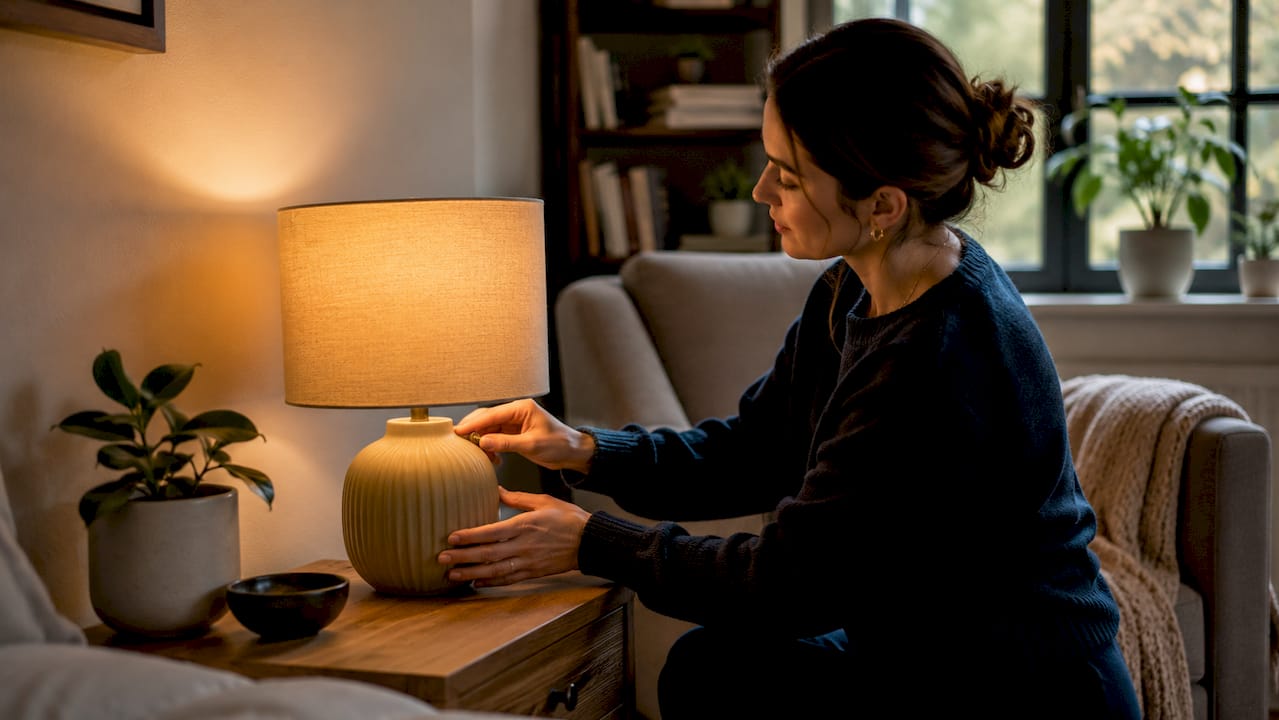
The mechanism is direct. Blue wavelengths suppress the pineal gland’s melatonin output. When you remove that suppression in the evening, your body’s dim-light melatonin onset, called DLMO, arrives on schedule. When you keep screens and overhead lights blazing until bedtime, DLMO shifts later and later.
Morning light matters just as much. Bright morning light exposure at 10,000 lux for 10–20 minutes anchors your master circadian clock and sets melatonin timing 14–16 hours later. Think of it as programming your body’s alarm system at dawn so it releases the sleep signal at dusk.
- Avoid screens after sunset or use blue-light-blocking glasses
- Switch to warm, amber, or incandescent-equivalent bulbs in living spaces after 7:00 PM
- Get outside within 30 minutes of waking, even on cloudy days
- Use a blackout sleep mask to block light spillover from streetlights or early sunrise
Pro Tip: Swap your bedroom lamp to a 2,700K warm-white bulb. It costs under $5 and removes the most disruptive wavelengths without requiring any willpower at night.
2. How does light spillover affect multiple nights of sleep?
Most people think one late night of bright light is a one-night problem. It is not. Even one night of bright evening light suppresses melatonin and can disrupt sleep hormone rhythm for 2–3 nights afterward. The body keeps score quietly, and the debt compounds.
This is why a single late-night social event can leave you feeling off for three days. Your melatonin onset shifted, your sleep architecture fractured, and your cortisol rhythm followed. Irregular wake times shift DLMO by 1–3 hours, compounding the disruption further.
The fix is consistency, not perfection. Anchor your wake time every day, including weekends. Your circadian rhythm responds to repetition the way a muscle responds to training.
3. What natural supplements support better sleep hormones?
Nutrients are the raw materials your body uses to build melatonin. Without them, the pathway stalls regardless of how well you manage your light environment. The most evidence-backed options are magnesium, melatonin itself used correctly, vitamin B6, and tryptophan-rich foods.
Taking 500 mg per day of elemental, chelated magnesium before bedtime improves sleep quality and efficiency over 8 weeks. Magnesium activates GABA receptors, which quiet the nervous system and create the neurological conditions melatonin needs to do its job. Without adequate magnesium, even a perfect light environment may not be enough.
Melatonin supplementation is widely misunderstood. Clinically, 1–3 mg taken one hour before your target bedtime works primarily as a circadian timing signal, not a sedative. It tells your brain what time it is. Higher doses do not produce better sleep. They often produce grogginess and blunt your body’s own production over time.
Key nutrients and food sources to prioritize:
-
Magnesium glycinate or malate: 500 mg elemental before bed, supports GABA and melatonin pathways
-
Vitamin B6: a direct cofactor in the tryptophan-to-serotonin-to-melatonin conversion; found in chicken, salmon, and bananas
-
Tart cherries: one of the few whole foods with measurable melatonin content; tart cherry juice concentrate is the most studied form
-
Pistachios: among the highest melatonin-containing nuts; a small handful in the evening fits naturally into a wind-down snack
-
L-theanine: an amino acid from green tea that promotes alpha brain wave activity and reduces pre-sleep anxiety without sedation
You can read more about the cofactors behind melatonin production and how they interact with each other.
Pro Tip: Pair magnesium glycinate with L-theanine 45 minutes before bed. The combination addresses both the neurological and anxiety-driven causes of delayed sleep onset without creating dependency.
4. How can lifestyle habits optimize your natural sleep hormone balance?
Behavioral consistency is the foundation that supplements and light management build on. Without it, even the best nutrient stack produces inconsistent results. Your circadian rhythm is a biological clock. It responds to schedule the way any clock responds to regular winding.
-
Fix your wake time. Choose one wake time and hold it every day, including weekends. This single habit does more for melatonin timing than any supplement.
-
Eat your last large meal 3–4 hours before bed. Late, heavy meals delay melatonin onset by keeping your digestive system active when your body should be shifting into sleep mode.
-
Exercise at least 3 hours before bedtime. Physical activity raises core body temperature and cortisol. Both are incompatible with melatonin release. Morning or early afternoon workouts produce the best sleep outcomes.
-
Build a wind-down routine. Spend 30–60 minutes before bed doing low-stimulation activities: reading physical books, light stretching, or tension relief practices that calm the nervous system.
-
Stop problem-solving before bed. Writing out tomorrow’s tasks without trying to solve them reduces pre-sleep cognitive arousal and supports melatonin release. The key distinction is listing, not analyzing.
5. What environmental factors support natural sleep hormone production?
Your bedroom environment sends biological signals your body reads as clearly as light. Temperature is the most underrated of these signals. A cool bedroom at 65–68°F supports the body temperature drop that signals melatonin rise and sleep readiness. Most people sleep in rooms that are 2–4 degrees too warm.
Darkness is non-negotiable. Even low-level light from a charging phone or a streetlamp filtering through thin curtains can suppress melatonin enough to fragment sleep. Blackout curtains or a well-fitted sleep mask eliminate this variable entirely.
Key environmental factors to address:
-
Temperature: Set your thermostat to 65–68°F or use breathable, moisture-wicking bedding
-
Darkness: Use blackout curtains and cover all LED indicator lights in the room
-
Noise: Use white noise or earplugs if ambient sound is unavoidable
-
Alcohol timing: Alcohol consumed within 4 hours of bedtime reduces natural melatonin levels by 19%. That glass of wine at 9:00 PM is actively working against your sleep chemistry.
-
Caffeine cutoff: Stop caffeine by 2:00 PM. Its half-life means a 3:00 PM coffee still has measurable stimulant activity at midnight.
Pro Tip: Take a warm shower or bath 60–90 minutes before bed. The subsequent body temperature drop signals sleep onset more reliably than most supplements.
6. What common mistakes undermine natural sleep hormone support?
The most common mistake is treating melatonin like a sleeping pill. Melatonin works best as a circadian timing signal for jet lag and shift work, not as a general insomnia cure. Taking 10 mg of melatonin and expecting sedation is like taking a calendar and expecting it to make time pass faster.
Other mistakes that quietly sabotage your sleep hormones:
-
Skipping morning light: Without bright morning light as a circadian anchor, melatonin timing control fails even when supplements are taken correctly.
-
Ignoring light spillover: One late night of bright light disrupts melatonin for 2–3 nights. Most people never connect Tuesday’s poor sleep to Saturday’s late-night screen session.
-
Late-night problem-solving: Mentally rehearsing tomorrow’s challenges raises cortisol and delays melatonin release. The brain cannot simultaneously prepare for threat and prepare for sleep.
-
Inconsistent schedules: Sleeping in on weekends creates social jet lag, a measurable shift in DLMO that mirrors crossing time zones.
“The body does not distinguish between a flight across three time zones and a weekend of inconsistent sleep timing. Both shift your melatonin onset, and both require days to correct. Consistency is not a lifestyle preference. It is a biological requirement.”
Key Takeaways
Supporting your body’s melatonin production requires consistent light management, targeted nutrients, and a stable daily schedule working together as a system.
| Point |
Details |
| Light is the master lever |
Dimming blue light 2–3 hours before bed raises melatonin by 50–70%. |
| Morning light anchors timing |
10–20 minutes of bright light at dawn sets melatonin onset 14–16 hours later. |
| Magnesium activates the pathway |
500 mg of chelated magnesium before bed supports GABA and melatonin production over 8 weeks. |
| Alcohol suppresses melatonin |
Drinking within 4 hours of bedtime cuts natural melatonin levels by 19%. |
| Consistency beats optimization |
A fixed wake time stabilizes DLMO more reliably than any single supplement or hack. |
What I’ve learned from treating sleep as a system, not a symptom
I spent years chasing individual fixes. A new supplement here, a sleep app there. What I kept missing was the system view. Your circadian rhythm is not a feature of your sleep. It is the operating system your entire biology runs on.
The shift that changed everything for me was treating light like a nutrient. I started getting outside within 20 minutes of waking, every single morning. I switched my evening lighting to warm amber tones. Within three weeks, I was falling asleep 45 minutes earlier without changing anything else. That is the power of the circadian anchor.
What I tell people who are frustrated with their sleep is this: give any behavioral change 4–8 weeks before judging it. Magnesium takes weeks to replete cellular stores. Circadian rhythm shifts happen gradually. The body is not a machine you can reboot overnight. It is a biological system that rewards patience and repetition.
The environmental and lifestyle factors are not supplementary. They are foundational. Supplements work better when the foundation is solid. Products work better when the habits support them. Start with light, fix your schedule, then layer in nutrients. That sequence matters more than most people realize.
— Geeta
How Checkedoutwellness supports your sleep hormone foundation
If you have built the habits and still feel like your sleep is not where it should be, the missing piece is often the nutrient delivery system.

Checkedoutwellness offers natural, melatonin-free sleep patches that deliver cofactors like magnesium, B6, B12, and GABA transdermally while you sleep. There is no synthetic melatonin, no dependency risk, and no morning grogginess. The patches are manufactured in South Korea under ISO 22716 GMP pharmaceutical standards. For people who need total darkness, the contoured blackout sleep mask eliminates light spillover without pressure on the eyes. Both products are built to work alongside the behavioral strategies in this article, not replace them. Visit Checkedoutwellness to see the full range of science-backed, drug-free sleep solutions.
FAQ
What is the most effective natural way to increase melatonin?
Dimming blue light exposure 2–3 hours before bed is the single most effective method, raising melatonin production by 50–70%. Pairing this with consistent morning bright light exposure anchors the full circadian cycle.
How much melatonin should I take as a supplement?
The clinically recommended dose is 1–3 mg taken one hour before your target bedtime. Melatonin works as a timing signal, not a sedative, so higher doses do not improve sleep quality.
Does alcohol affect sleep hormone levels?
Yes. Alcohol consumed within 4 hours of bedtime reduces natural melatonin levels by 19%, directly disrupting the hormonal signal that initiates and maintains sleep.
Tart cherries, pistachios, bananas, salmon, and chicken are the most evidence-backed options. They supply melatonin directly or provide tryptophan and vitamin B6, the key cofactors in the melatonin synthesis pathway.
How long does it take to see results from natural sleep hormone support?
Most behavioral changes, including light management and consistent wake times, produce noticeable improvements within 2–3 weeks. Magnesium supplementation typically requires 6–8 weeks to show measurable gains in sleep quality and efficiency.
Recommended

Natural Sleep Hormone Support Tips for Better Rest
Your body already knows how to make melatonin. The real question is whether your daily habits are helping or quietly working against that process. Natural sleep hormone support tips focus on one core principle: remove the obstacles that suppress melatonin, then add the inputs your body needs to produce it well. The tryptophan-to-serotonin-to-melatonin conversion pathway is built into your biology. Light, temperature, nutrients, and timing are the levers you control. Get those right, and your circadian rhythm does the rest.
1. Natural sleep hormone support tips start with light management
Light is the single most powerful signal your circadian system receives. Dimming blue light 2–3 hours before bed raises melatonin production by 50–70%. That is not a marginal gain. That is the difference between lying awake at midnight and falling asleep at 10:30 PM.
The mechanism is direct. Blue wavelengths suppress the pineal gland’s melatonin output. When you remove that suppression in the evening, your body’s dim-light melatonin onset, called DLMO, arrives on schedule. When you keep screens and overhead lights blazing until bedtime, DLMO shifts later and later.
Morning light matters just as much. Bright morning light exposure at 10,000 lux for 10–20 minutes anchors your master circadian clock and sets melatonin timing 14–16 hours later. Think of it as programming your body’s alarm system at dawn so it releases the sleep signal at dusk.
Pro Tip: Swap your bedroom lamp to a 2,700K warm-white bulb. It costs under $5 and removes the most disruptive wavelengths without requiring any willpower at night.
2. How does light spillover affect multiple nights of sleep?
Most people think one late night of bright light is a one-night problem. It is not. Even one night of bright evening light suppresses melatonin and can disrupt sleep hormone rhythm for 2–3 nights afterward. The body keeps score quietly, and the debt compounds.
This is why a single late-night social event can leave you feeling off for three days. Your melatonin onset shifted, your sleep architecture fractured, and your cortisol rhythm followed. Irregular wake times shift DLMO by 1–3 hours, compounding the disruption further.
The fix is consistency, not perfection. Anchor your wake time every day, including weekends. Your circadian rhythm responds to repetition the way a muscle responds to training.
3. What natural supplements support better sleep hormones?
Nutrients are the raw materials your body uses to build melatonin. Without them, the pathway stalls regardless of how well you manage your light environment. The most evidence-backed options are magnesium, melatonin itself used correctly, vitamin B6, and tryptophan-rich foods.
Taking 500 mg per day of elemental, chelated magnesium before bedtime improves sleep quality and efficiency over 8 weeks. Magnesium activates GABA receptors, which quiet the nervous system and create the neurological conditions melatonin needs to do its job. Without adequate magnesium, even a perfect light environment may not be enough.
Melatonin supplementation is widely misunderstood. Clinically, 1–3 mg taken one hour before your target bedtime works primarily as a circadian timing signal, not a sedative. It tells your brain what time it is. Higher doses do not produce better sleep. They often produce grogginess and blunt your body’s own production over time.
Key nutrients and food sources to prioritize:
You can read more about the cofactors behind melatonin production and how they interact with each other.
Pro Tip: Pair magnesium glycinate with L-theanine 45 minutes before bed. The combination addresses both the neurological and anxiety-driven causes of delayed sleep onset without creating dependency.
4. How can lifestyle habits optimize your natural sleep hormone balance?
Behavioral consistency is the foundation that supplements and light management build on. Without it, even the best nutrient stack produces inconsistent results. Your circadian rhythm is a biological clock. It responds to schedule the way any clock responds to regular winding.
5. What environmental factors support natural sleep hormone production?
Your bedroom environment sends biological signals your body reads as clearly as light. Temperature is the most underrated of these signals. A cool bedroom at 65–68°F supports the body temperature drop that signals melatonin rise and sleep readiness. Most people sleep in rooms that are 2–4 degrees too warm.
Darkness is non-negotiable. Even low-level light from a charging phone or a streetlamp filtering through thin curtains can suppress melatonin enough to fragment sleep. Blackout curtains or a well-fitted sleep mask eliminate this variable entirely.
Key environmental factors to address:
Pro Tip: Take a warm shower or bath 60–90 minutes before bed. The subsequent body temperature drop signals sleep onset more reliably than most supplements.
6. What common mistakes undermine natural sleep hormone support?
The most common mistake is treating melatonin like a sleeping pill. Melatonin works best as a circadian timing signal for jet lag and shift work, not as a general insomnia cure. Taking 10 mg of melatonin and expecting sedation is like taking a calendar and expecting it to make time pass faster.
Other mistakes that quietly sabotage your sleep hormones:
Key Takeaways
Supporting your body’s melatonin production requires consistent light management, targeted nutrients, and a stable daily schedule working together as a system.
What I’ve learned from treating sleep as a system, not a symptom
I spent years chasing individual fixes. A new supplement here, a sleep app there. What I kept missing was the system view. Your circadian rhythm is not a feature of your sleep. It is the operating system your entire biology runs on.
The shift that changed everything for me was treating light like a nutrient. I started getting outside within 20 minutes of waking, every single morning. I switched my evening lighting to warm amber tones. Within three weeks, I was falling asleep 45 minutes earlier without changing anything else. That is the power of the circadian anchor.
What I tell people who are frustrated with their sleep is this: give any behavioral change 4–8 weeks before judging it. Magnesium takes weeks to replete cellular stores. Circadian rhythm shifts happen gradually. The body is not a machine you can reboot overnight. It is a biological system that rewards patience and repetition.
The environmental and lifestyle factors are not supplementary. They are foundational. Supplements work better when the foundation is solid. Products work better when the habits support them. Start with light, fix your schedule, then layer in nutrients. That sequence matters more than most people realize.
How Checkedoutwellness supports your sleep hormone foundation
If you have built the habits and still feel like your sleep is not where it should be, the missing piece is often the nutrient delivery system.
Checkedoutwellness offers natural, melatonin-free sleep patches that deliver cofactors like magnesium, B6, B12, and GABA transdermally while you sleep. There is no synthetic melatonin, no dependency risk, and no morning grogginess. The patches are manufactured in South Korea under ISO 22716 GMP pharmaceutical standards. For people who need total darkness, the contoured blackout sleep mask eliminates light spillover without pressure on the eyes. Both products are built to work alongside the behavioral strategies in this article, not replace them. Visit Checkedoutwellness to see the full range of science-backed, drug-free sleep solutions.
FAQ
What is the most effective natural way to increase melatonin?
Dimming blue light exposure 2–3 hours before bed is the single most effective method, raising melatonin production by 50–70%. Pairing this with consistent morning bright light exposure anchors the full circadian cycle.
How much melatonin should I take as a supplement?
The clinically recommended dose is 1–3 mg taken one hour before your target bedtime. Melatonin works as a timing signal, not a sedative, so higher doses do not improve sleep quality.
Does alcohol affect sleep hormone levels?
Yes. Alcohol consumed within 4 hours of bedtime reduces natural melatonin levels by 19%, directly disrupting the hormonal signal that initiates and maintains sleep.
What foods naturally promote sleep hormone production?
Tart cherries, pistachios, bananas, salmon, and chicken are the most evidence-backed options. They supply melatonin directly or provide tryptophan and vitamin B6, the key cofactors in the melatonin synthesis pathway.
How long does it take to see results from natural sleep hormone support?
Most behavioral changes, including light management and consistent wake times, produce noticeable improvements within 2–3 weeks. Magnesium supplementation typically requires 6–8 weeks to show measurable gains in sleep quality and efficiency.
Recommended